
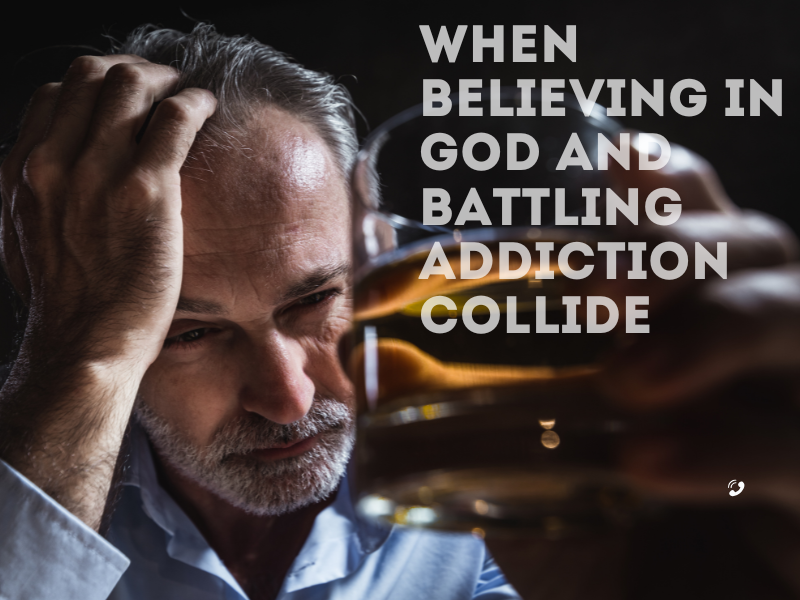
It’s a strange feeling when you believe in God but can’t shake the pull of addiction. It can make you feel like you’re split in two—part of you wants to worship, to be whole, to be free, while another part of you is stuck chasing something that’s slowly breaking you down. You can sit in church with tears in your eyes, desperate for change, and still feel the itch crawling beneath your skin. It doesn’t make you weak. It doesn’t make you less faithful. It makes you someone in need of grace—and that’s exactly who Jesus came for.
What a lot of people forget is that addiction doesn’t only live in the body. It lives in the mind. It sneaks into how you see yourself, how you expect other people to see you, how you start believing God might be disappointed or done. But God doesn’t turn away from addicts. He moved toward the hurting when no one else would. So yes, you can be a believer and still struggle. That’s not a disqualification—that’s a setup for redemption.

The Shame You Carry Isn’t Yours To Hold
Shame is one of the heaviest parts of addiction. It shows up after you use, after you lie, after you hide something again. And it sounds a lot like, “I should be better than this.” But the gospel isn’t about being better. It’s about being made new.
There’s a kind of emotional exhaustion that hits when you’ve tried to quit a thousand times, prayed about it more times than you can count, and still find yourself slipping. You start wondering if your prayers are broken. Or worse, if God stopped listening. That’s when the enemy turns up the volume, whispering that you’re not really saved, not really worthy, not really wanted.
But shame is not from God. Conviction, yes—God will nudge your heart toward healing. But shame is different. Shame keeps you stuck. Grace pulls you out. That’s where community and honesty start to matter. That’s where prayer stops being about performing and starts being about connection. If you’ve never just sat in silence and whispered, “God, help me,” then maybe it’s time. Even that small sentence counts as a holy cry. So do the prayers for addiction that come out in gasps, in stutters, in whatever breath you’ve got left. God hears all of it.
Why Faith Doesn’t Always Feel Like Enough—And Why It Still Matters
One of the biggest disappointments people face is when they think giving their life to Jesus will instantly erase every struggle. And while yes, He can heal, and sometimes does in miraculous ways, most of the time the healing process is slow. It’s layered. It involves confession, counseling, sometimes medication, often setbacks, and a whole lot of starting over.
It doesn’t mean your faith isn’t working. It means you’re still human, and healing is a process. Jesus never promised instant results—He promised to walk with us through fire, through flood, through relapses and dark nights and early mornings when it’s hard to get out of bed. And isn’t that what we really need? Not just relief, but someone who won’t leave when we’re at our worst.
Faith matters in addiction recovery not because it makes you perfect, but because it keeps you from being alone. And that, more than anything, keeps you moving forward when everything else is pulling you back.
Related Posts


The Hidden Grace In Christian Depression Treatment Centers
Some people hit a point where prayer and church just aren’t cutting through the fog anymore. And it’s okay to admit that. God is not threatened by you needing help beyond Sunday mornings and Bible verses. Sometimes what a believer needs most is a place to go where faith and clinical care meet—where scripture, therapy, group support, and deep rest can come together.
That’s exactly what Christian depression treatment centers are designed for. They’re not just padded rooms and quiet halls—they’re sacred spaces where broken hearts and chemical struggles get real attention, all through the lens of grace. These places understand that your soul and your brain are both part of your healing. They don’t force formulas. They don’t treat faith like a band-aid. Instead, they invite you to be seen, known, and walked with—by professionals who also know the power of prayer.
If you’ve never considered it, maybe this is your sign. There’s no shame in seeking care. There’s strength in surrender. And when you pair your spiritual walk with intentional support, something powerful starts to shift.
When You Fall Again, Get Up Anyway
Relapse happens. Even when you’re doing well. Even when you’re praying every day. Even when you’re leading worship or mentoring others. Addiction doesn’t play fair, and it certainly doesn’t follow a straight line. You might go six months clean and still find yourself back where you never wanted to be. That doesn’t mean you’ve failed God. That means you’re still in the fight.
Getting back up is holy work. Telling someone is holy work. Taking a deep breath and refusing to stay in that spiral of self-hate—also holy. You’re not a lost cause. You’re a living testimony in progress.
God is not surprised by your struggles. He already knows every part of your story, even the ones you’re scared to say out loud. And He stays. Every single time.
Final Thought
Healing is messy. Faith is messy. But they are still healing. And they are still faithful. Keep showing up. Keep telling the truth. Keep whispering prayers, even when they feel weak. Grace is not for the people who get it right—it’s for the ones who keep coming back.


